THE CITY OF PERTH URBAN SCREENS PRESENT
GOOLOGOOLUP NAIDOC SCREENINGS 2026
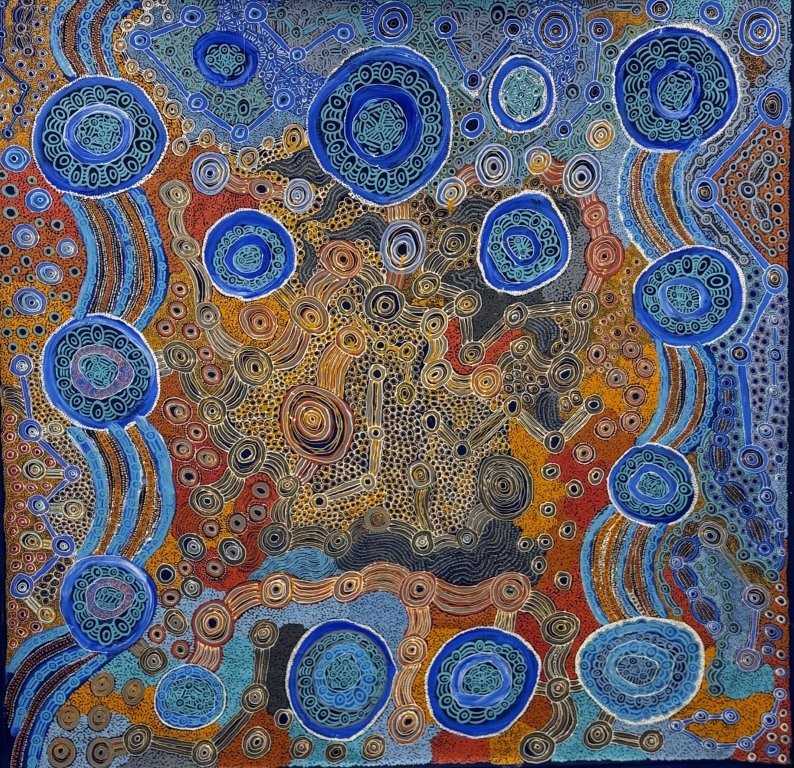
Image Credit |Joyce-Robin
Watarru Tjukula Tjukurrpa Rockhole Creation Story
195 x 192cm
2025,Courtesy of Artitja Fine Art.
Northbridge Piazza superscreen + Forrest Place Arts Screen
July 2026 | FREE
The City of Perth Urban Screens, in collaboration with Artitja Fine Art Gallery, Ikuntji Artists, Ninuku Arts, Tjanpi Desert Weavers, Waringarri & Kira Kiro Artists, presents a month-long NAIDOC program, the Goologoolup NAIDOC Screenings.
This incredible schedule of Indigenous art and culture features film, sculpture and painting from our side of Australia.
GOOLOGOOLUP NAIDOC SCREENINGS
50 YEARS DEADLY
50 Years of Deadly. For five decades, NAIDOC Week has celebrated the voices of our communities — steady, unapologetic, and proud. This year’s theme marks a milestone: NAIDOC has always been more than a week — it’s a platform, a protest, a celebration, and a statement of survival. In keeping with this theme, the City of Perth Urban Screens, in collaboration with Artitja Fine Art Gallery, Ikuntji Artists, Ninuku Arts, Tjanpi Desert Weavers, Waringarri & Kira Kiro Artists, presents a month-long NAIDOC program, the Goologoolup NAIDOC Screenings.
The public space exhibition showcases Indigenous art, featuring films, sculptures, and paintings from art communities across the Western side of Australia.
This program would not be possible without the generous contributions of over one hundred participating artists. We thank them for sharing their voices, their stories, and their enduring contributions to this shared cultural experience in the City.
The annual screenings, created to increase the public realm’s response to the National Week of Observance, have grown from a single weekend of screenings into a month-long celebration of Indigenous arts. The Goologoolup NAIDOC Screenings have been part of the City of Perth’s NAIDOC celebrations since 2018.
Goologoolup is a Noongar place name for the area originally encompassing the lowlands near Lake Kingsford and Lake Irwin. Today, this area includes the site near Perth Train Station, situated between the two screening locations: the Northbridge Piazza Superscreen and the City of Perth’s Forrest Place Arts Screen.
EXHIBITIONS
Artitja Fine Art Gallery | WANGKA KUTJU, TJUKURPA TJUTA | One Voice, Many Stories
Wangka Kutju, Tjukurpa Tjuta brings together paintings and 2D sculptural works by fifteen Kaltjiti artists from Fregon — a remote First Nations community 368 km southeast of Uluru — sharing stories that range from ancestral Tjukurpa to personal reflections on Country. Curated by Anna Kanaris of Artitja Fine Art Gallery, the exhibition was first shown at Earlywork gallery in South Fremantle before making its public screen debut in the Goologoolup NAIDOC Screenings season.
Kaltjiti Arts
Kaltjiti Arts and Crafts is a community-based Aboriginal art centre in the remote community of Fregon, in the Pitjantjatjara/Yankunytjatjara lands of northern South Australia. The heart of the small community, the art centre is a place of inspiration, dynamism and cultural focus.
Through their artworks, elders and senior artists teach younger generations about important cultural traditions and stories, passing on knowledge that has come to them from their ancestors.
Kaltjiti Arts is known for its diversity of aesthetic and depth of talent. Senior male artists are joined by senior women, all exploring Tjukurpa of the region. Senior artists also work together on collaborative major works, teaching younger generations skills in painting technique and storytelling.
It is this commitment to Tjukurpa and traditional painting techniques that has allowed Kaltjiti Arts to establish a reputation as an art centre that creates works of the highest quality and rich in cultural integrity.
Artitja Fine Art Gallery
Since opening in March 2004, Artitja Fine Art Gallery has specialised in presenting art from First Nations artists from remote community Aboriginal Art Centres throughout Western Australia, the Northern Territory, the Tiwi Islands and the Pitjantjatjara/Yankunytjatjara lands. Artitja is based in South Fremantle.
Extensive information about the artists and works is available in the exhibition notes at artitja.com.au — see the festival guide for screening times.
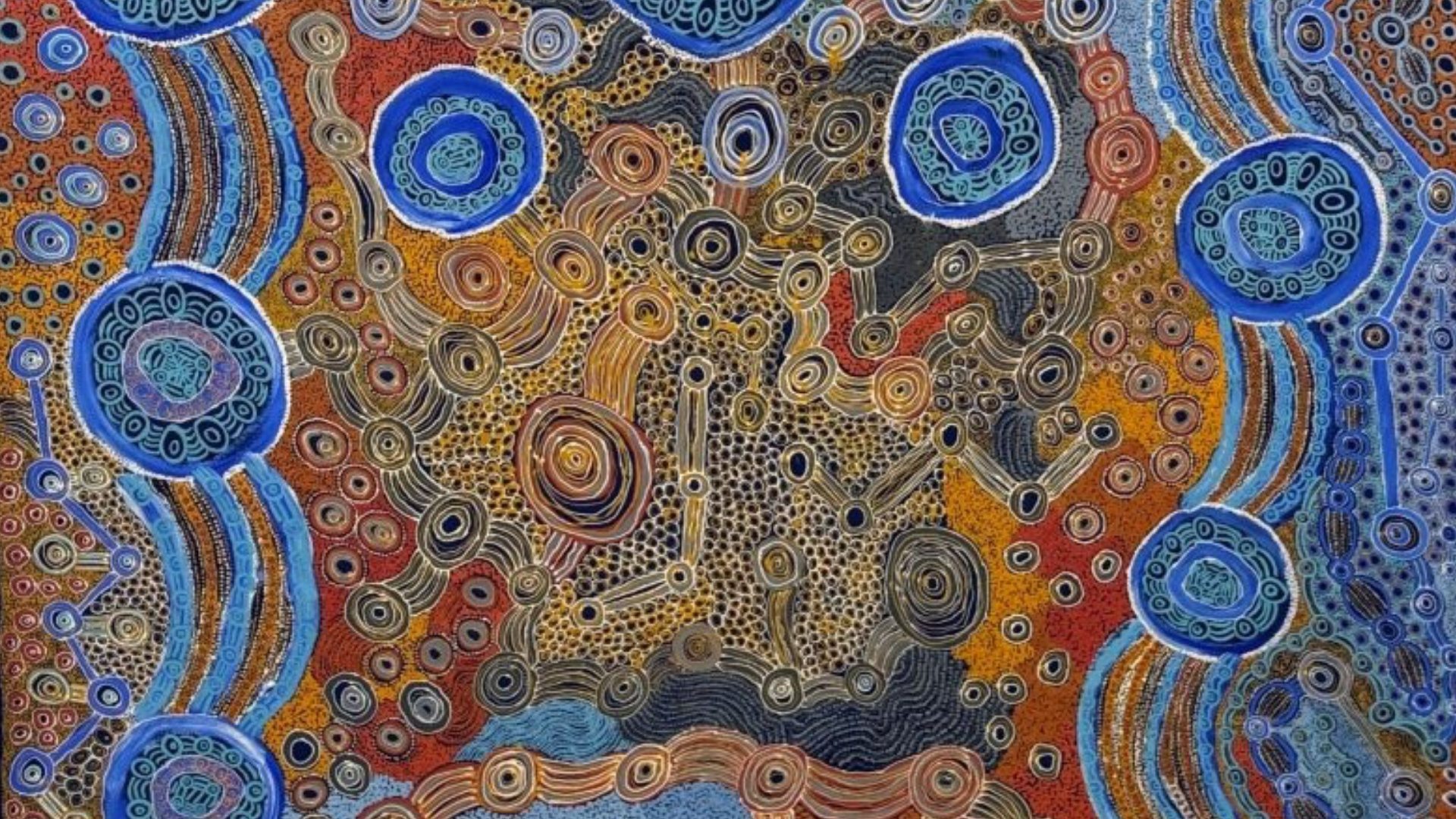
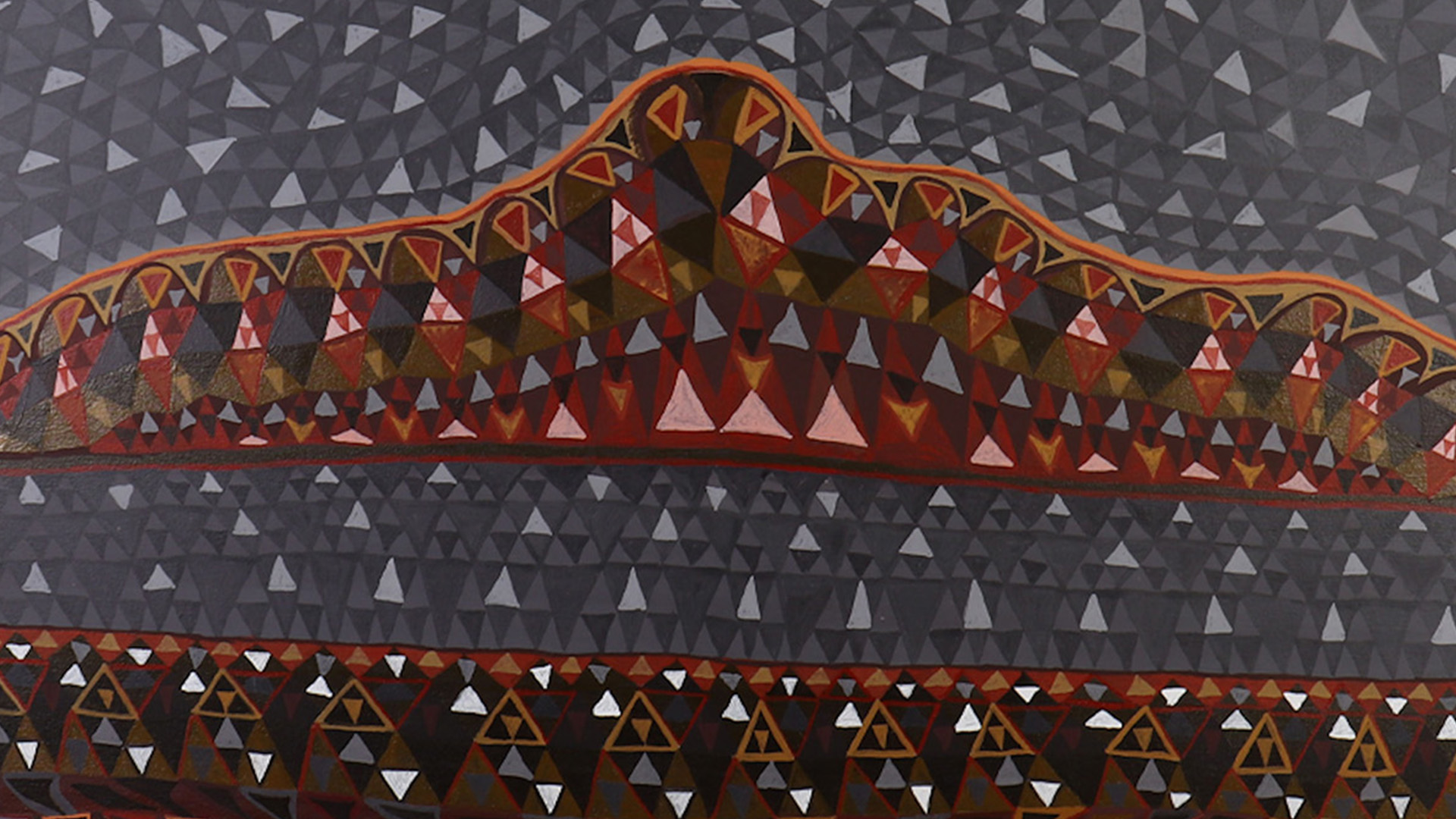
Image Credit, detail Joyce Robin
Rockhole Creation Story
2025,
Courtesy of Artitja Fine Art.
NINUKU ARTS
Ninuku Arts was founded in 2006 by a small group of Pitjantjatjara and Ngaanyatjarra artists in a modest mud-brick building in the Kalka Community, located in the far north-west corner of South Australia. Today, the art centre supports a rotating roster of nearly forty artists and makers living in both Kalka and Pipalyatjara—two of the most remote communities on the Anangu Pitjantjatjara Yankunytjatjara (APY) Lands.
Artists come to work on a nearly daily basis, and the studio serves as the social and cultural heart of both communities. It is a place not only to sit and work alongside family but also to share gossip and stories of the near and distant past.
Over the past decade, the art centre has exhibited work nationally and internationally, gaining recognition for its powerful colour palettes and the diversity of styles, techniques, and mediums expressed by each artist. While the origins of Ninuku’s creative output lie in the traditions of Western Desert dot painting, artists have evolved their practices to include loose brush techniques as well as tjanpi (grass) and punu (wood) sculpture.
Works from Ninuku Arts are exhibited daily throughout July on the City of Perth’s Northbridge Piazza Superscreen and Forrest Place Arts Screen, as part of the Goologoolup NAIDOC Screenings. See the festival guide for screening times.
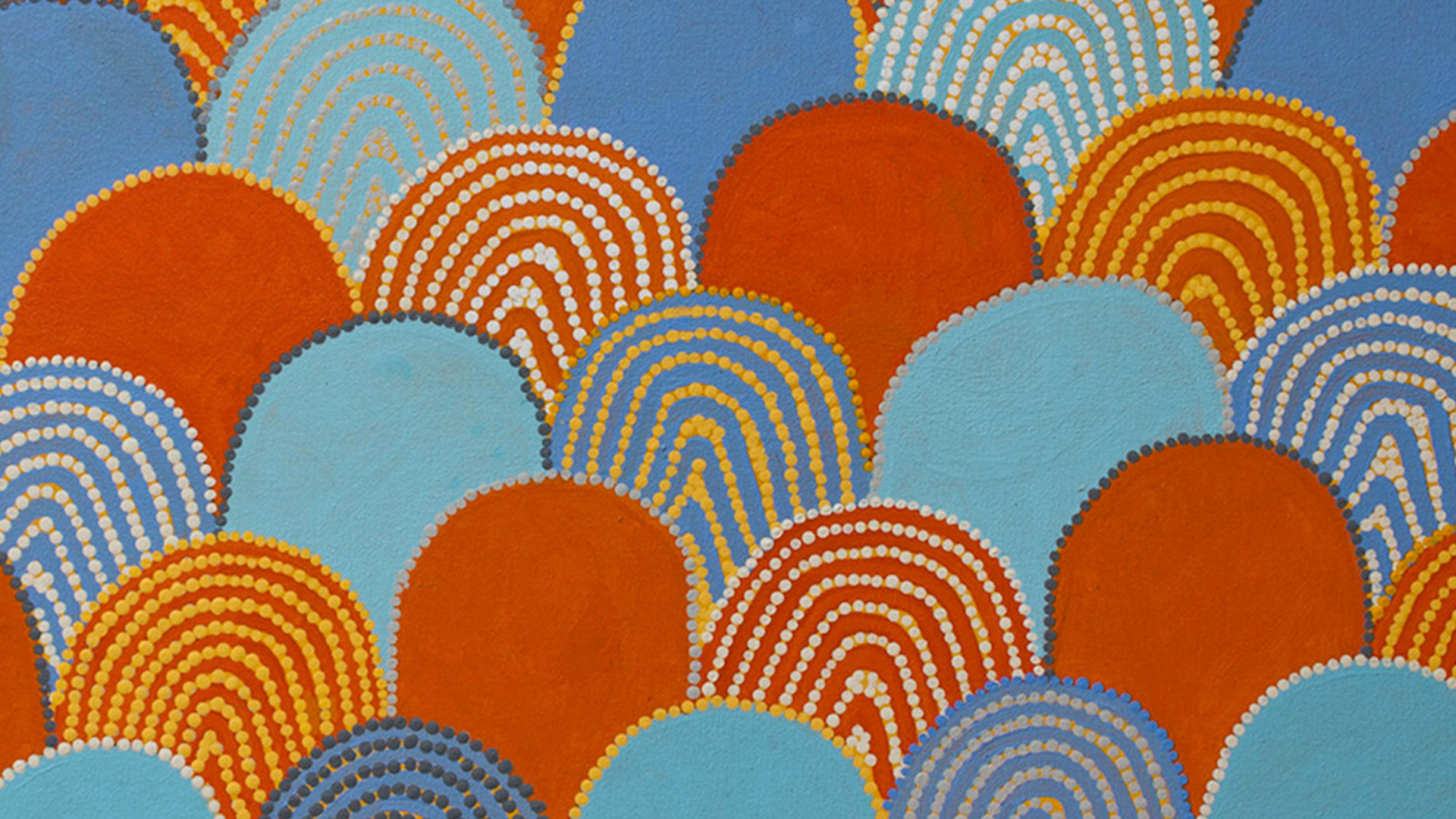
Image Credit, detail of Delores Miller
Mrs Miller’s Country
2025
acrylic on canvas, 87 x 59 cm,
courtesy of Ninuku Arts
Waringarri & Kira Kiro Artists
\Waringarri Aboriginal Arts is a living, growing art centre celebrating the uniqueness of Miriwoong cultural identity.
Established in the 1980s, in the heart of Miriwoong country at Kununurra in the Kimberley region of northern Australia, Waringarri artists share the importance of their Country and Culture.
Kira Kiro Artists is the Kalumburu community’s recognised art centre, located on the land of the Kwini people in north-western Western Australia.
Kira Kiro (also spelled Kirri Kirri) are Kwini spiritual figures featured in the rock art galleries around Kalumburu, believed to have been painted by the beak of the Sandstone Strike Thrush using blood from the tips of its wings. The name was adopted by senior artist Mary Punchi Clement, known for her intricate depictions of the region’s flora, fauna, and associated stories.
Artistic practice is grounded in the rock art tradition—particularly the Wandjina (or “rain maker”) and Kira Kiro or Gwion Gwion figures, considered the helpers of the Wandjina. Contemporary works also explore secular themes, including land animals, sea life, and seasonal flora, with a strong focus on bush foods and medicinal plant knowledge. Artists work with natural ochre pigments on canvas, paper, and bark, and many are also skilled boab nut engravers.
Art practice has long played both cultural and economic roles in Kalumburu. Kira Kiro Artists is jointly managed by Waringarri Aboriginal Arts and local Kalumburu arts workers.
Image credit:
Ben Galmirr Ward – Bilbjiim | 2024
Natural pigments and ochre on canvas
105 x 118 cm.
Courtesy of Waringarri & Kira Kiro Artists
TJANPI DESERT WEAVERS
Tjanpi (meaning grass in Pitjantjatjara language) represents over 400 Anangu/Yarnangu women artists from 26 remote communities on the NPY lands. Tjanpi Desert Weavers is a social enterprise of the Ngaanyatjarra Pitjantjatjara Yankunytjatjara (NPY) Women’s Council, working with women in the remote Central and Western desert regions who earn an income from contemporary fibre art.
Tjanpi artists use native grasses to make spectacular contemporary fibre art, weaving beautiful baskets and sculptures and displaying endless creativity and inventiveness. Originally developing from the traditional practice of making manguri rings, working with fibre in this way has become a fundamental part of Central and Western desert culture.
Tjanpi embodies the energies and rhythms of Country, culture and community. The shared stories, skills and experiences of this wide-reaching network of mothers, daughters, aunties, sisters and grandmothers form the bloodline of the desert weaving phenomenon and have fuelled Tjanpi’s rich history of collaborative practice.
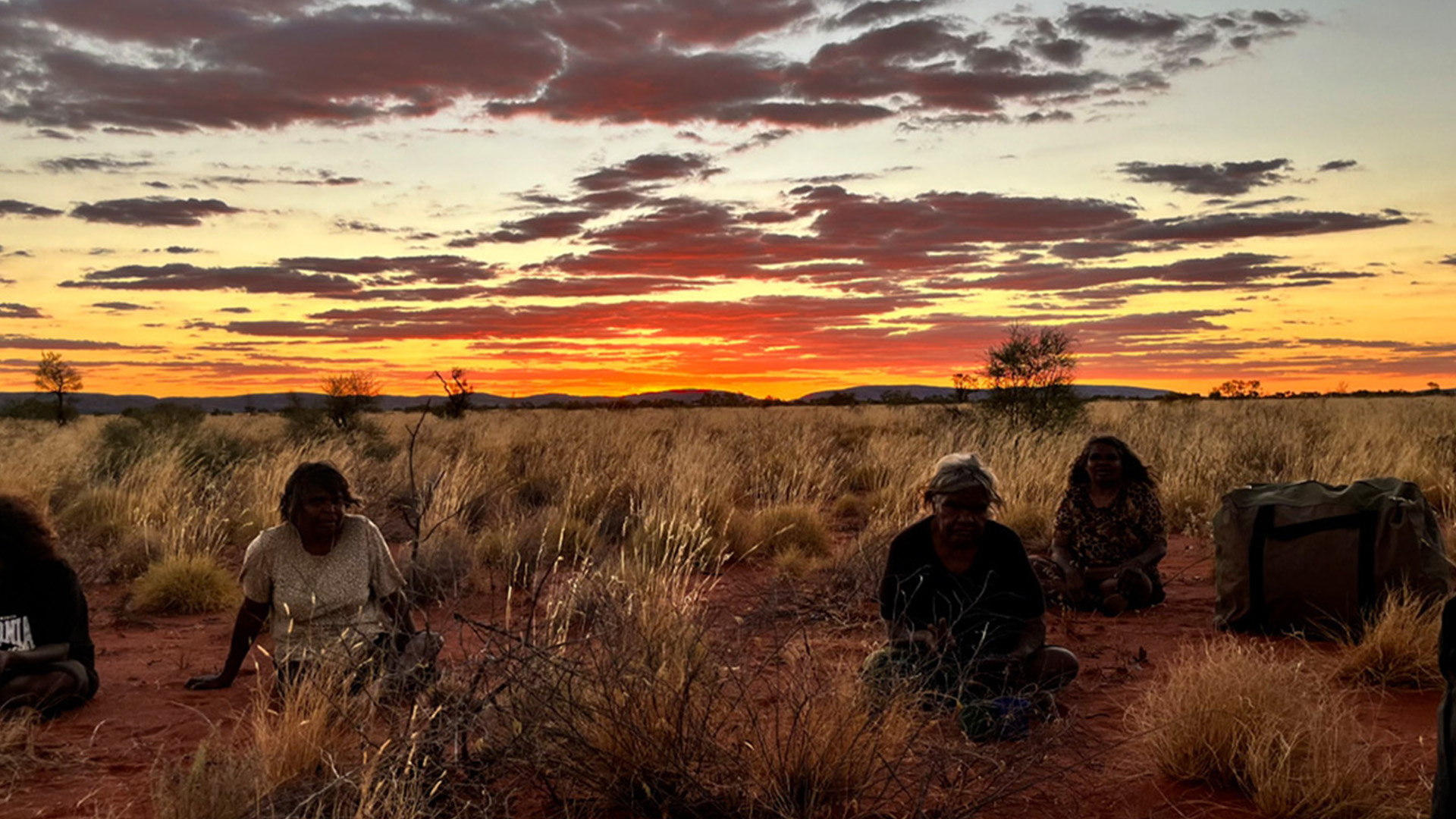
This year’s Goologoolup screening features photographs infused with great humour and charm, providing a glimpse into the work and lives of the renowned artists from the Tjanpi Desert Weavers.
Image Credit, detail of: Tjanpi Desert Weavers Corrina Shepherd, Pauline Golding, Winifred Reid and Dianne Golding | Well-earned rest after collecting Tjanpi near Warakurna, WA | Image by Jade Brockley | Image courtesy of Tjanpi Desert Weavers
Ikuntji Artists
A lot of stories are still being recounted of long journeys of people from various language groups, who travelled from rockholes and waterholes to caves and mountains finally arriving at Haasts Bluff. The locals, Luritja people of Haasts Bluff, were already here. Thus Haasts Bluff is a community rich of diversity in language and culture.
Ikuntji Artists was first established in 1992, the artists draw their inspiration from their personal ngurra (country) and Tjukurrpa (Dreaming). They interpret the ancestral stories by using traditional symbols, icons and motifs. The artistic repertoire of Ikuntji Artists is diverse and includes for example: naive as well as highly abstract paintings told by each artist in their personal signature style. Throughout the 27 years of its existence the art movement in Ikuntji has flourished and constantly left its mark in the fine art world. At the same time the art centre has been the cultural hub of the community, maintaining, reinforcing and reinvigorating cultural practices through art-making.
Today Haasts Bluff has a population of around 150 people, Ikuntji Artists has eight key artists, who exhibit in Australia and internationally and are represented in major collections across the globe.
Works from Ikuntji Artists exhibit daily through July on the City of Perth’s Northbridge Piazza Superscreen and Forrest Place’s Arts Screen as part of the Goologoolup NAIDOC Screenings. See the festival guide schedule for screening times.
Image credit: Image Credit, detail of
Lisa Multa | Tali at Kungkayunti | 2021
courtesy of Ikuntji Artists
From National Aborigines’ Day to NAIDOC Week: 50 Years of Posters
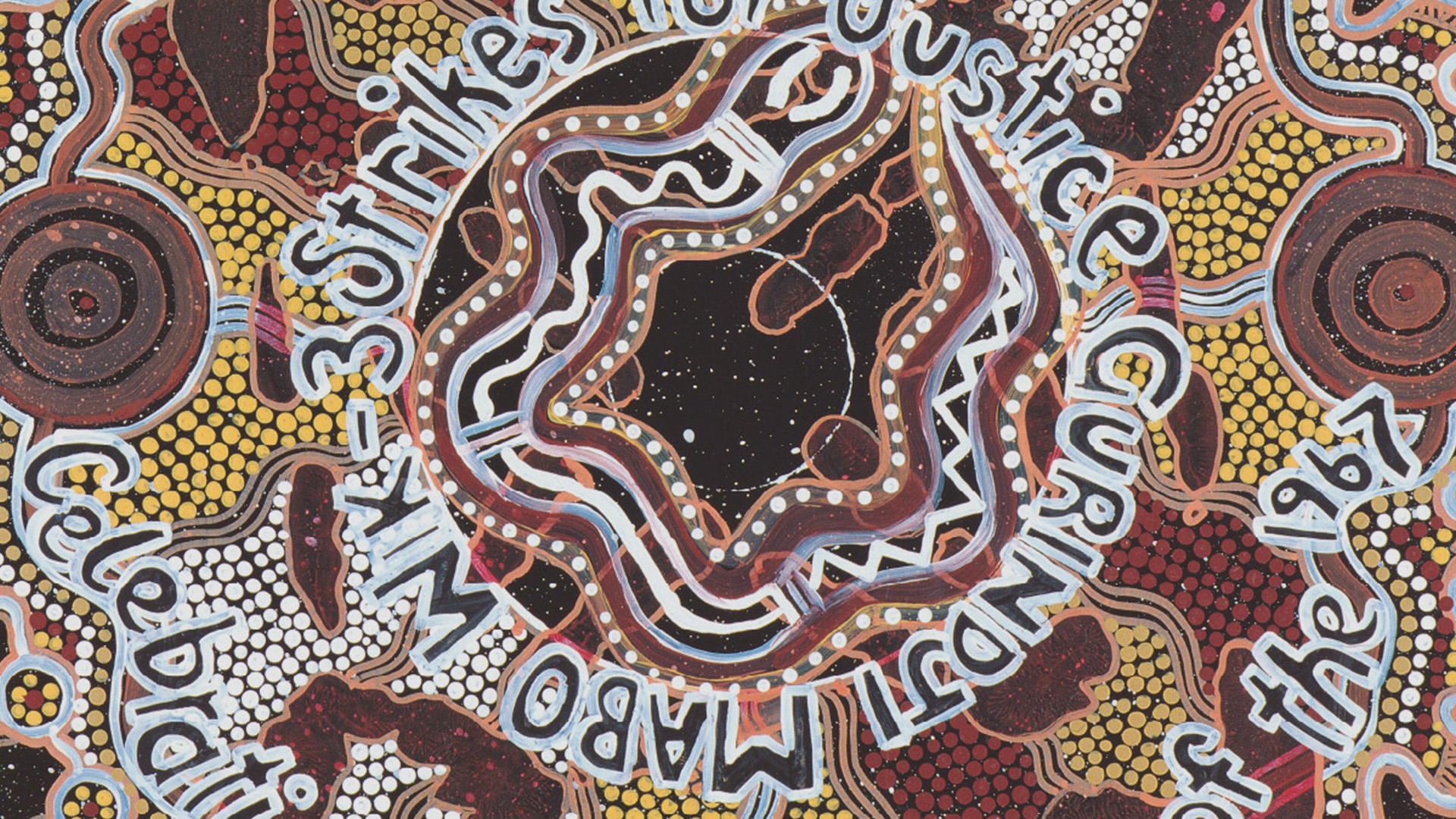
National NAIDOC Week is celebrated across Australia during the first week of July each year, honouring the history, culture, and achievements of Aboriginal and Torres Strait Islander peoples. A central feature of these celebrations is the annual NAIDOC Week Poster Competition, which invites Aboriginal and Torres Strait Islander artists to submit original artworks responding to the year’s official theme. Since the first poster was produced in 1967, the competition has become an iconic and enduring part of NAIDOC Week.
These posters not only reflect the evolving visual language of Australian political and cultural expression but also serve as a record of the social transformations over the past five decades.
To mark this legacy, a digital exhibition will be presented daily on the City of Perth Urban Screens throughout NAIDOC Week.
Image credit: Image collections | NAIDOC
SLOW TV screenings

Makuru Tv
This program is a collection of slow nature footage taken down in the Serpentine National Park, in Gnaala Karla Boodja, showing the changes in the landscape during the Noongar Season of Makuru.

Makuru sunset
This program is a sunset over the Derbal Yaragan (Swan River) in Mosman Park.
The Noongar season of Makuru, represented by the colour dark blue, symbolises the rain and chilly weather characteristic of this period. During Makuru, the South West experiences its coldest and wettest months. Traditionally, this season was a favourable time to move back inland from the coast as the waterways and catchments began to fill. This ease of movement facilitated a shift in dietary sources from sea, estuarine, and lake foods to land-based provisions, particularly grazing animals like kangaroos.
The slow TV genre, known for its contemplative pace, offers viewers an unedited, real-time experience of life’s rhythms, presenting a peaceful alternative to the fast-paced narratives of mainstream media. It encourages viewers to relax and immerse themselves in the season’s inherent beauty.
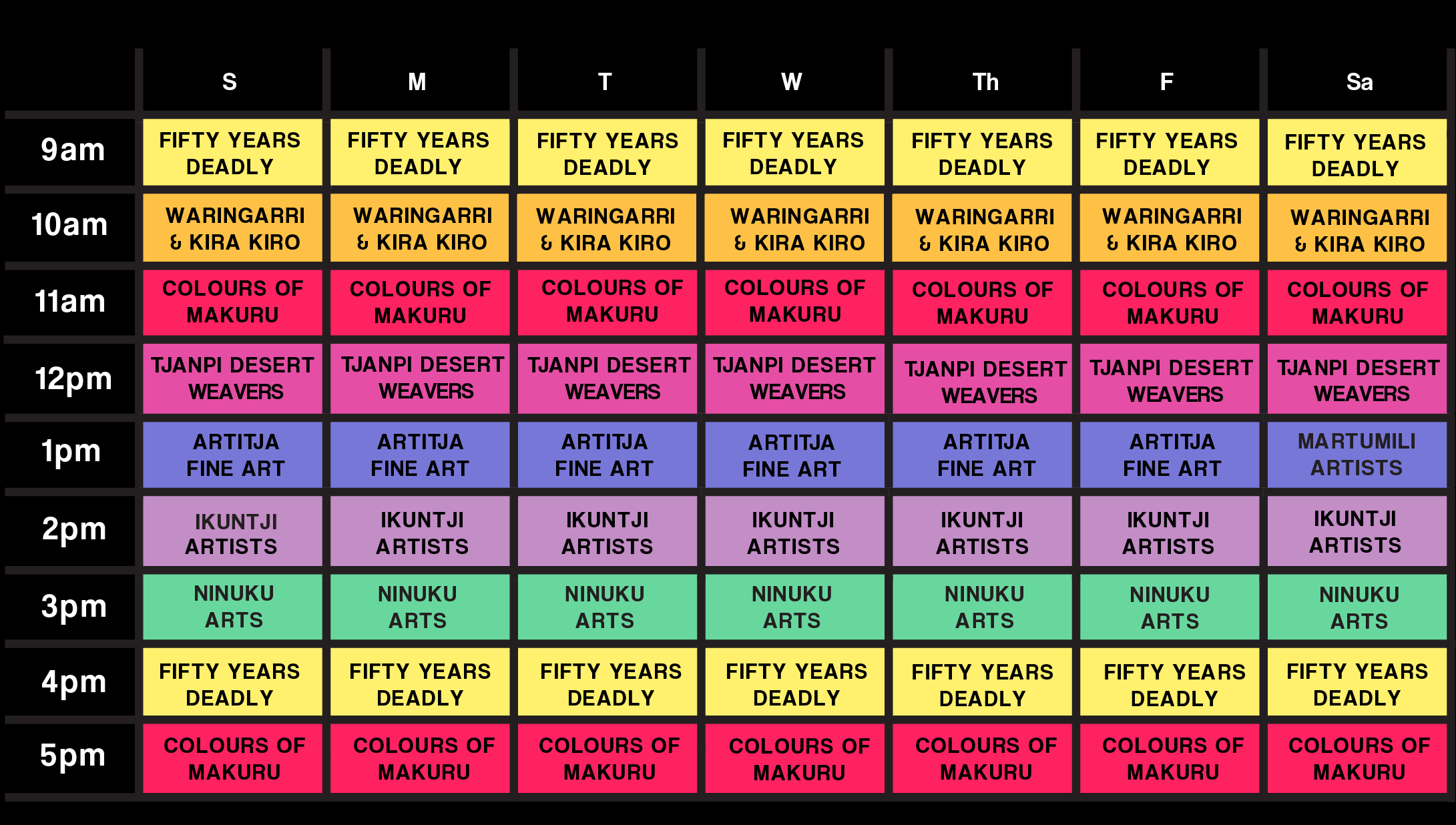
SCREENING SCHEDULE
NORTHBRIDGE PIAZZA SUPERSCREEN
1-20 JULY
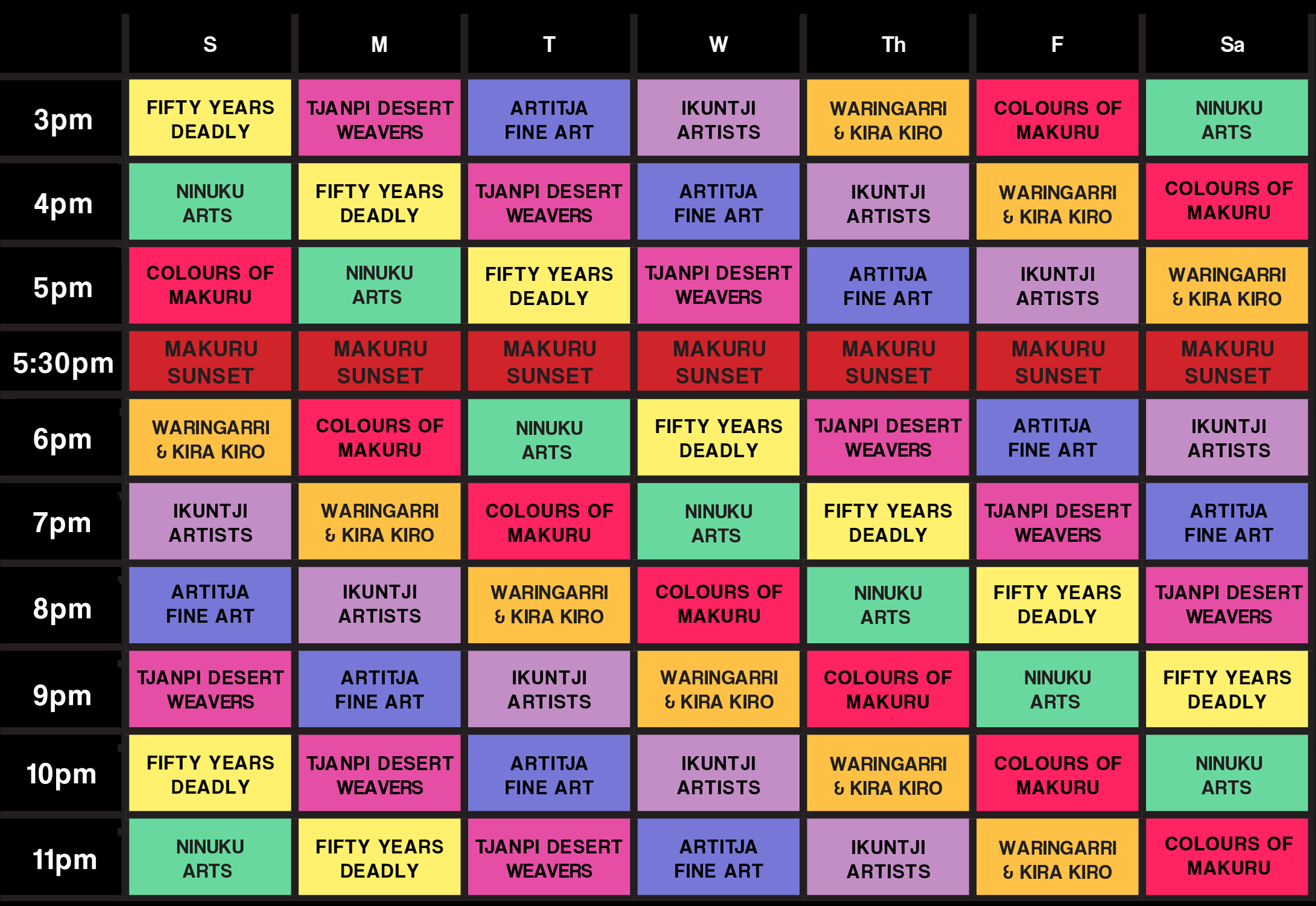
21-31 JULY
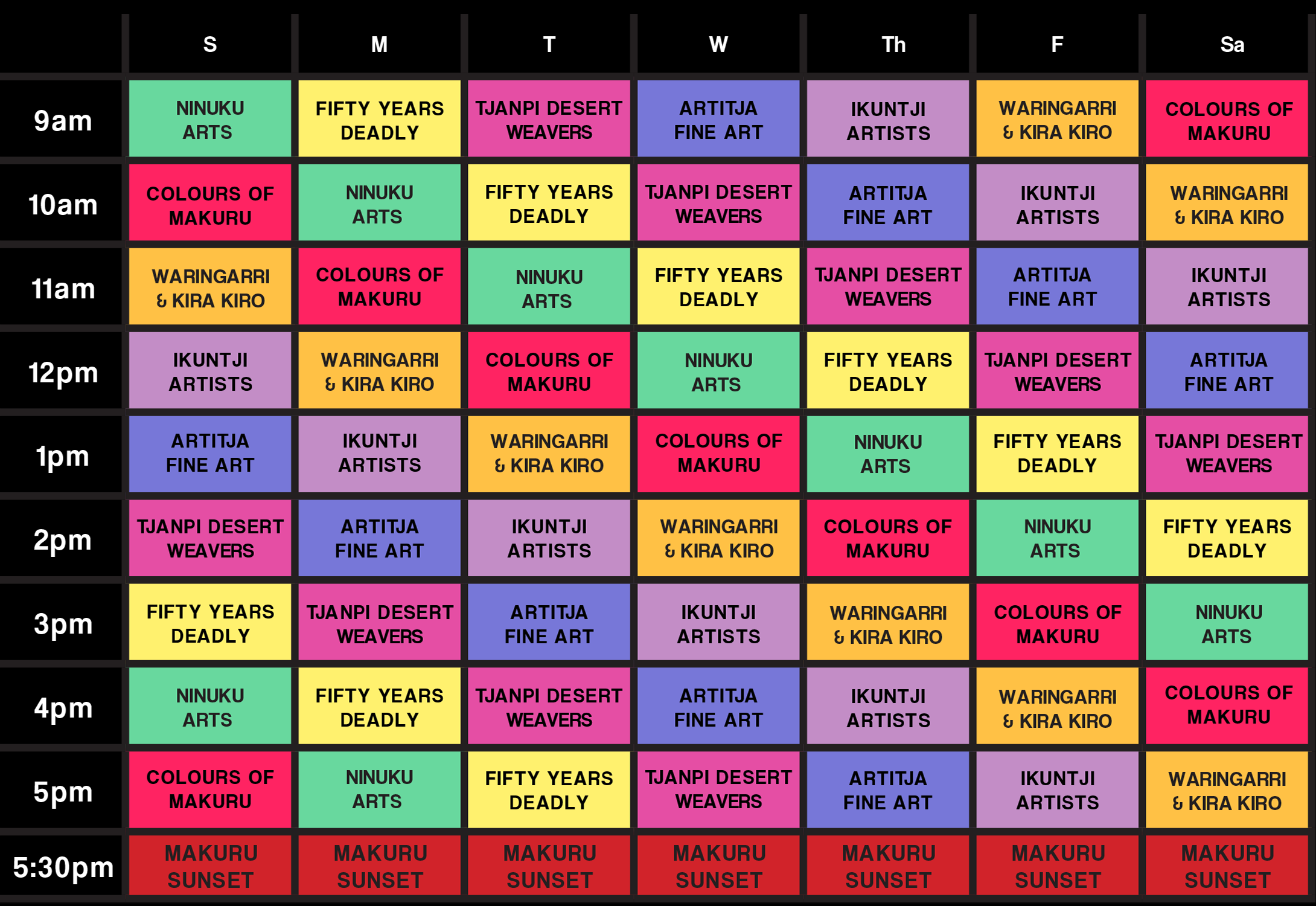
FORREST PLACE ARTS SCREEN
Screenarts acknowledges the Whadjuk people of the Noongar nation as the traditional custodians of this country and its waters, and that we operate on Noongar country.
We pay our respects to Noongar elders past, present, and emerging.
Always was and always will be Aboriginal land.